Zinal Glacier
A Winter Wonderland Trek: Snowshoeing to the Zinal Glacier
There’s something magical about strapping on snowshoes and venturing into the high alpine in winter. The Zinal Glacier, nestled in Switzerland’s stunning Val d’Anniviers, offers one of the most rewarding snowshoe hikes in the Alps—a journey that combines accessible winter adventure with breathtaking mountain scenery.
The village of Zinal sits at the head of the Val d’Anniviers in the canton of Valais, surrounded by some of Switzerland’s most impressive 4,000-meter peaks. The Zinal Glacier descends from the heights of the Dent Blanche and the Pointe de Zinal, creating a dramatic backdrop that feels almost otherworldly when blanketed in winter snow. This is a landscape that has captivated mountaineers for generations, and in winter, it takes on an even more serene and pristine character.
The Journey
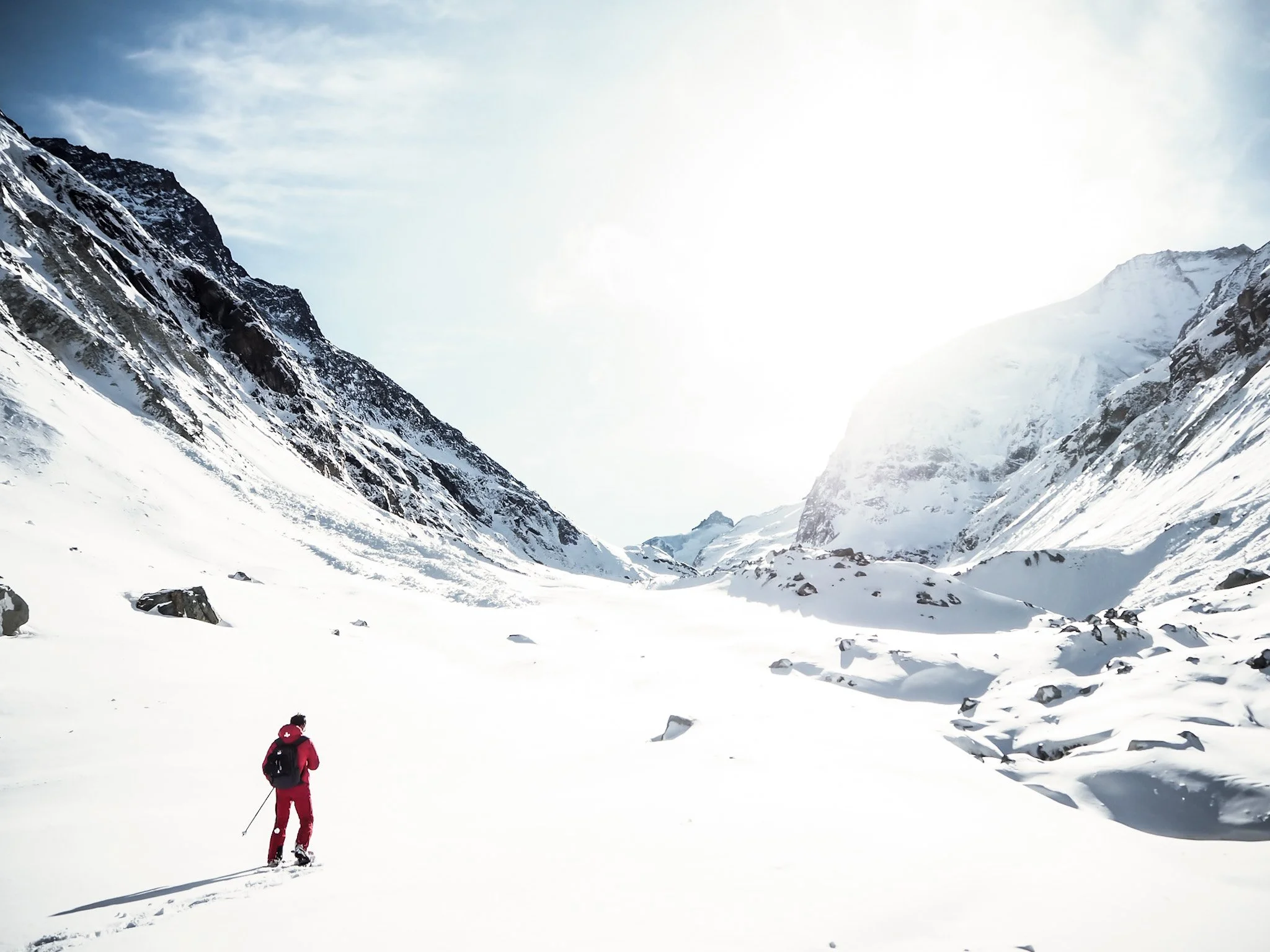
The snowshoe route to the Zinal Glacier typically begins from the village itself, following the summer hiking trail that leads up the valley. What makes this trek special is its gradual approach—you’re not immediately thrust into technical terrain, but rather invited to ease into the mountain environment as the valley slowly reveals its secrets.
As you climb higher, the forest begins to thin and the views open up dramatically. The Besso, Obergabelhorn, and Trifthorn come into view, their snow-covered faces gleaming in the alpine light. On clear days, the contrast between the deep blue sky and brilliant white peaks is almost surreal.
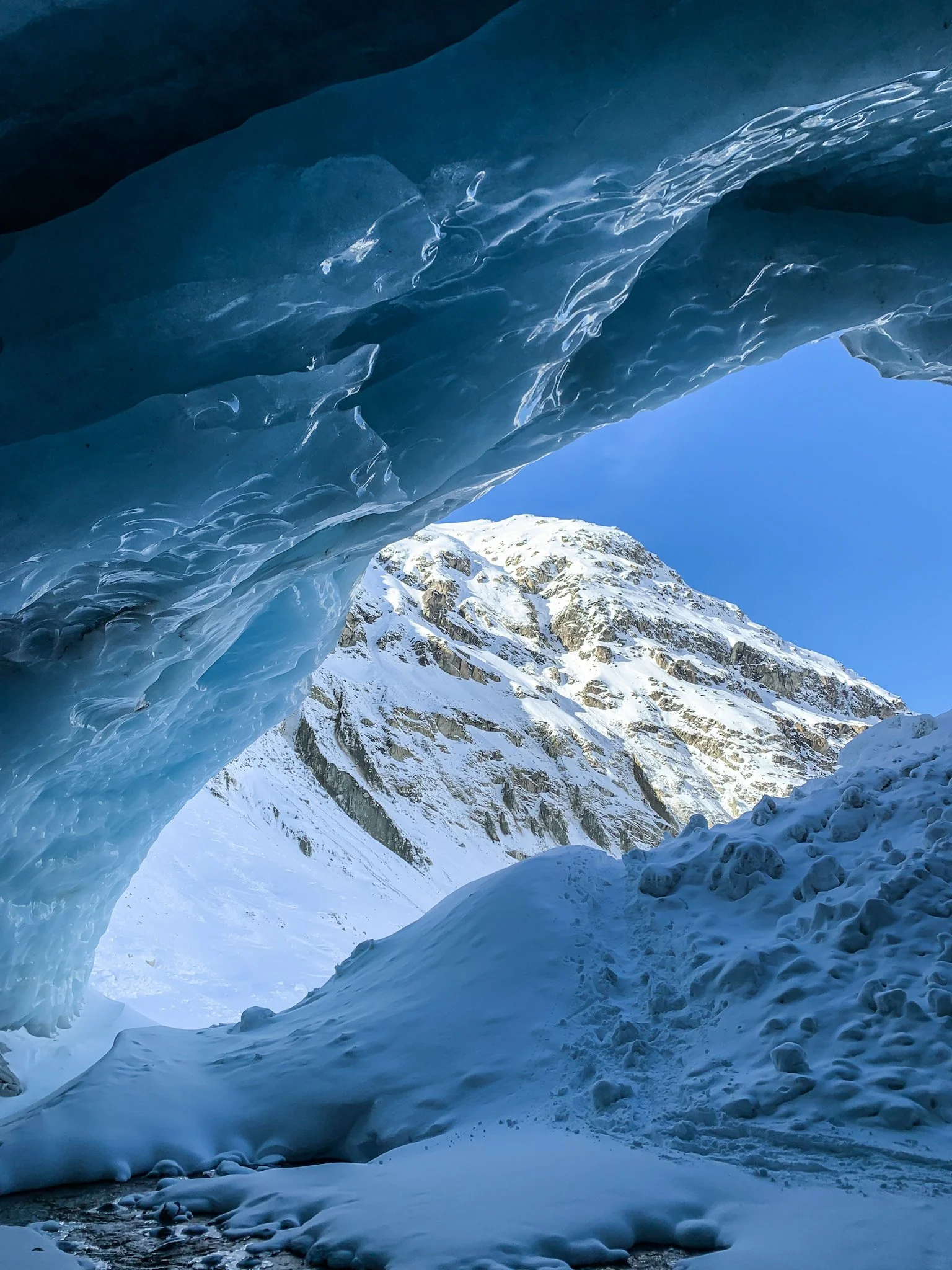
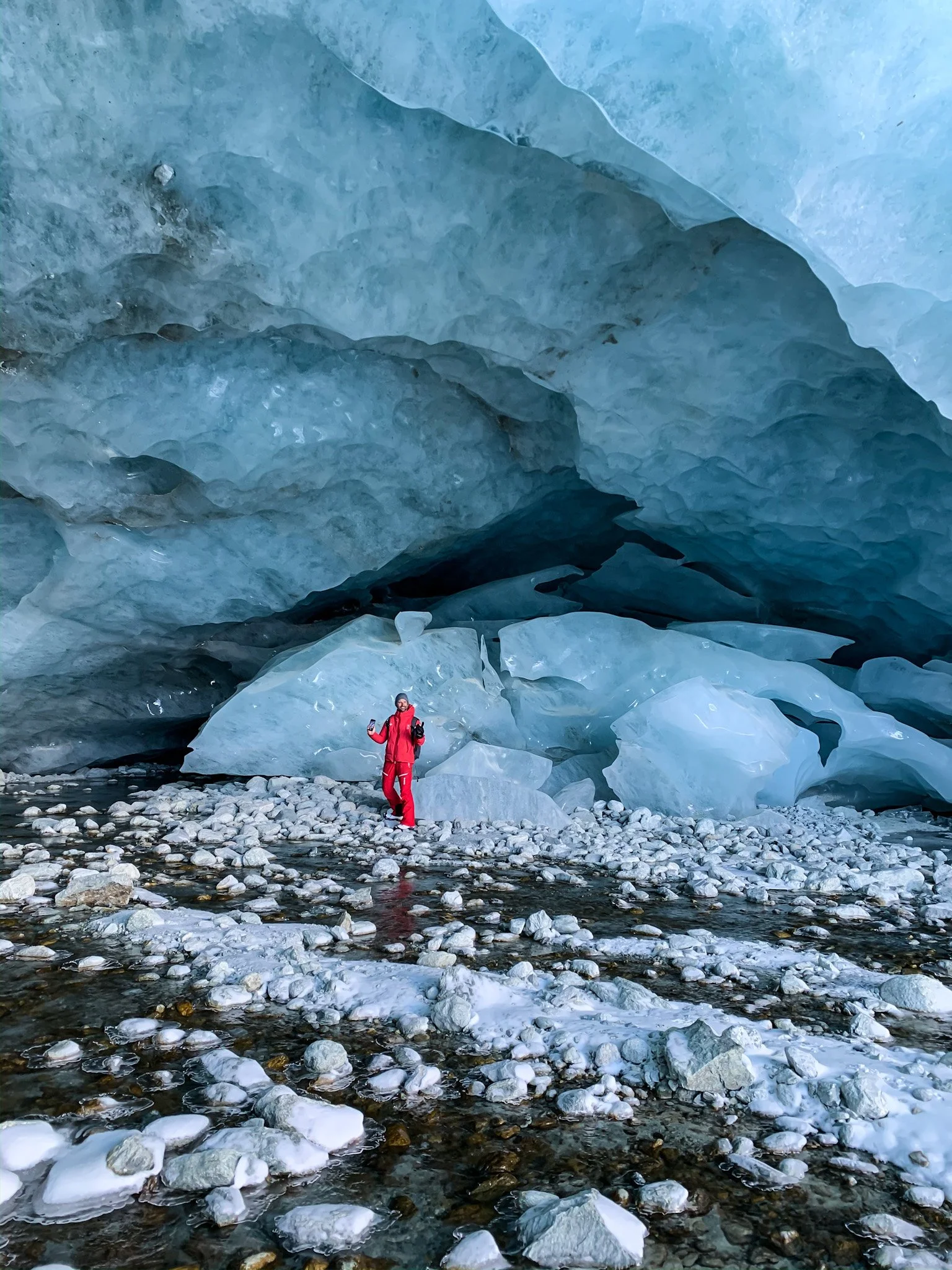
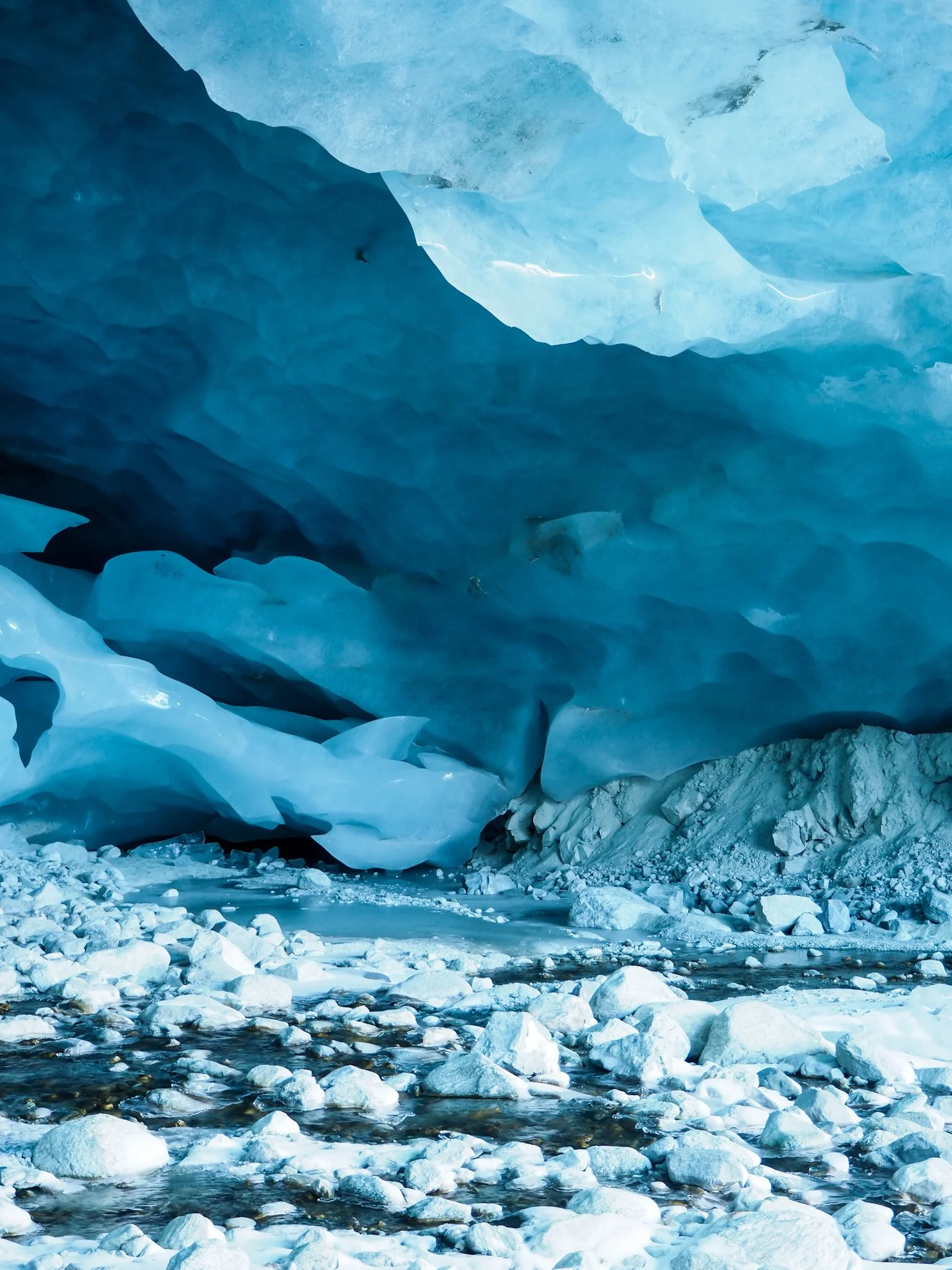
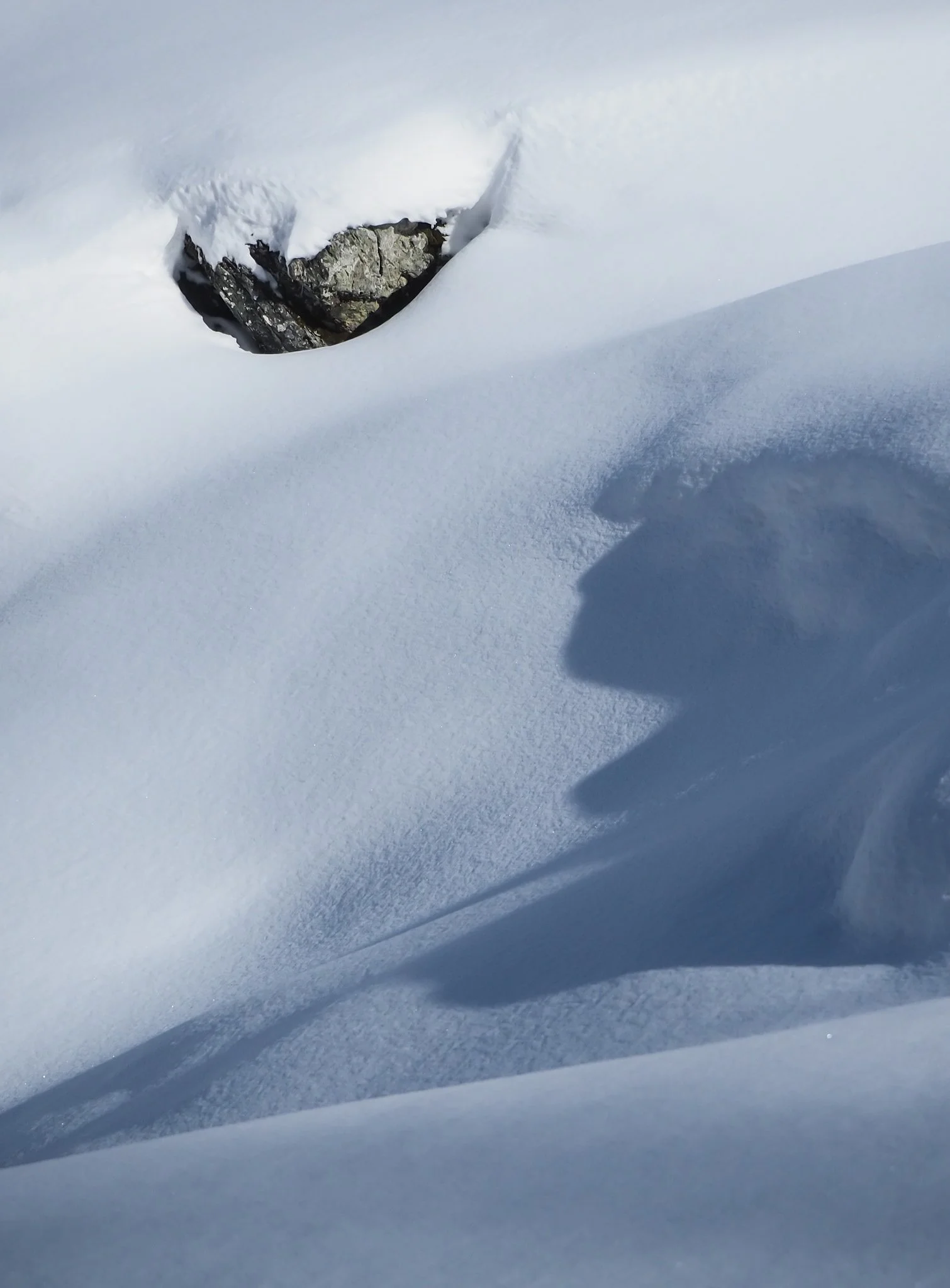
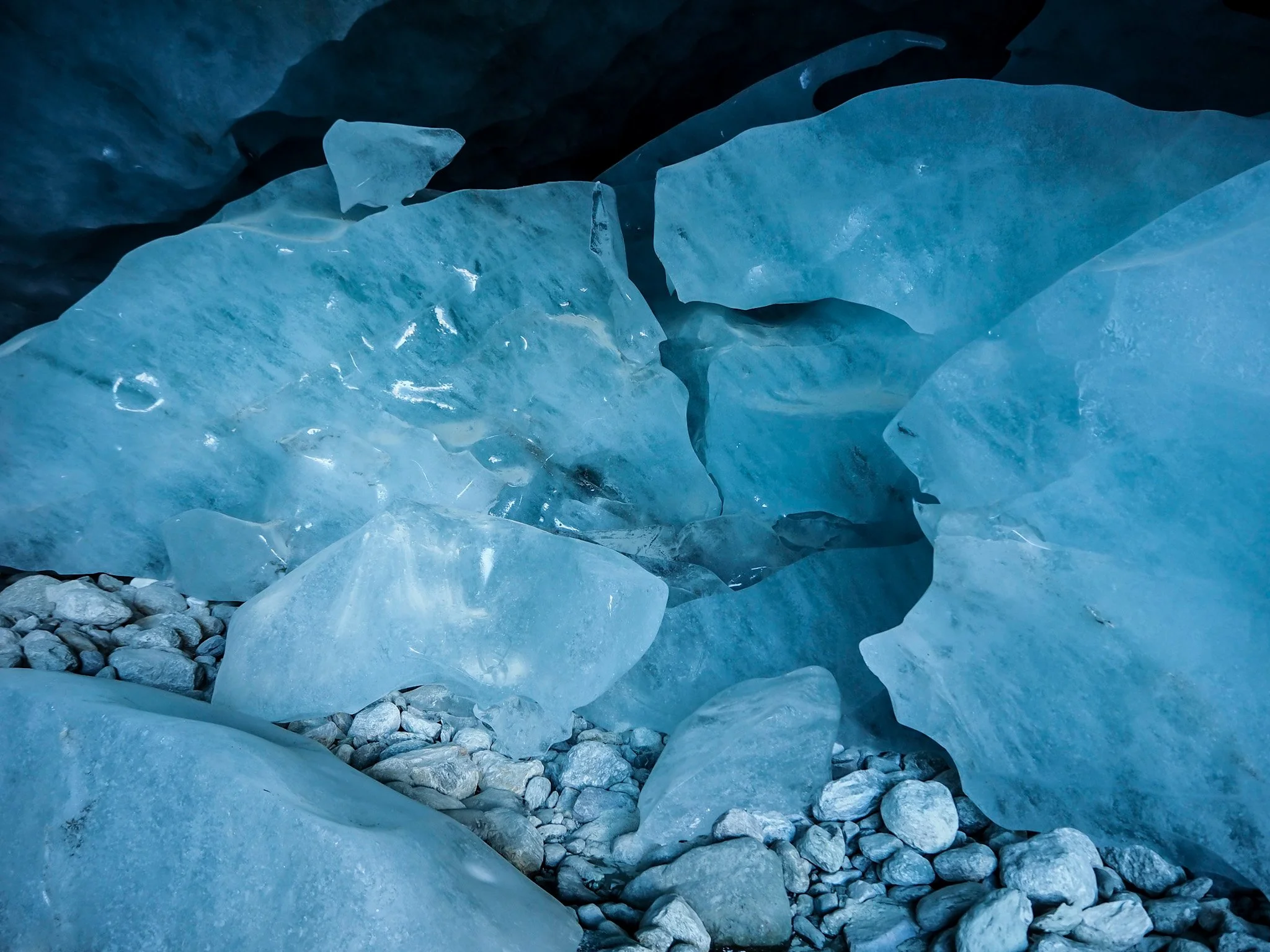
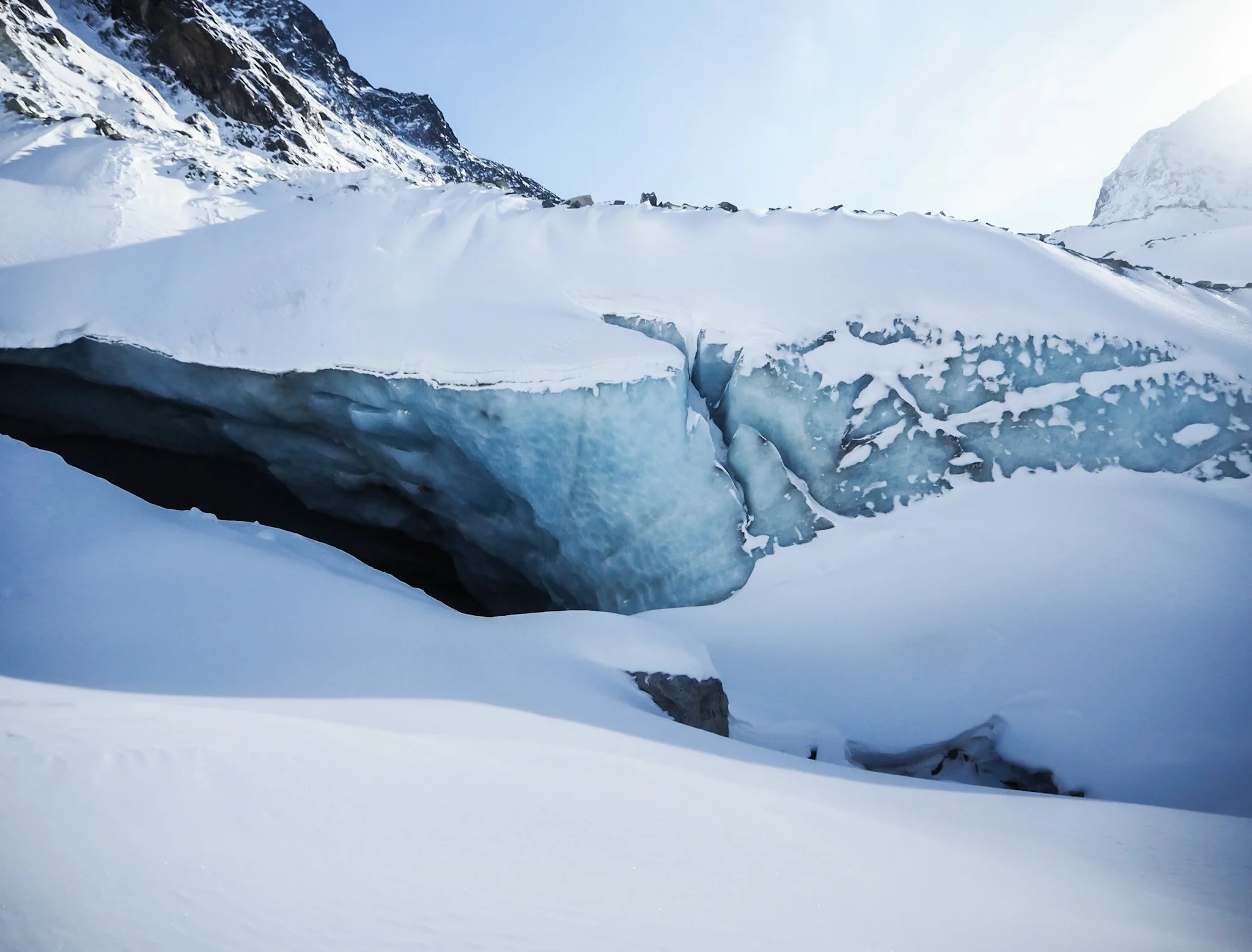
The final approach to the glacier snout brings you into true high alpine terrain. Here, the landscape becomes more raw and elemental—moraine ridges, ice formations, and the massive wall of the glacier itself. In winter, everything is softened by snow, but the power of this glacial landscape remains palpable.
What Makes It Special
Unlike many glacier hikes that require technical mountaineering skills, the Zinal Glacier snowshoe trek is accessible to anyone with good fitness and winter hiking experience. You’re rewarded with genuinely spectacular mountain scenery without needing crampons, ropes, or climbing experience.
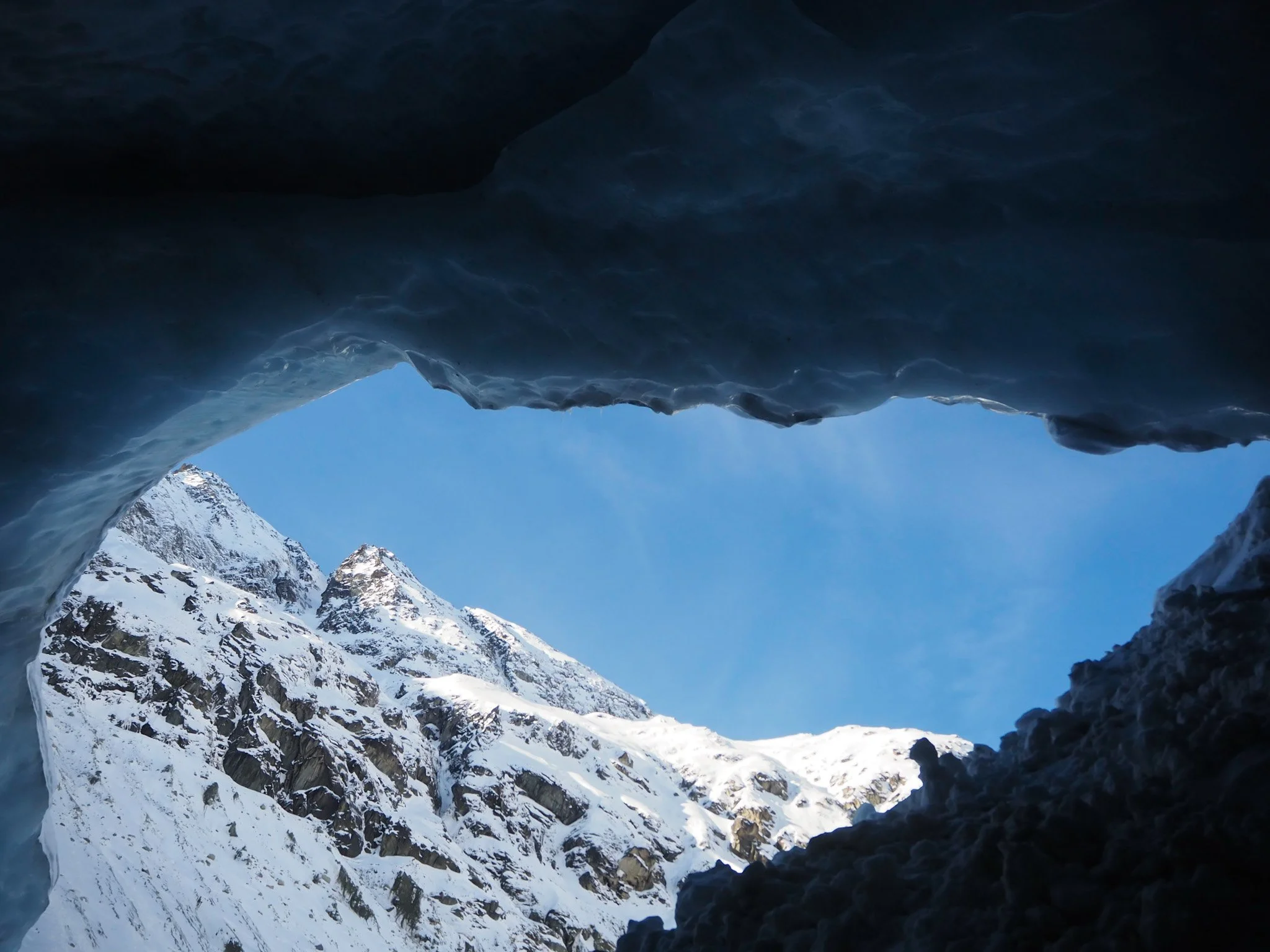
The silence is perhaps the most striking element. Winter in the high mountains has a quality of quiet that’s hard to find elsewhere. The crunch of snowshoes, your own breathing, and occasionally the distant rumble of an avalanche on a far-off peak are often the only sounds breaking the stillness.
Practical Considerations
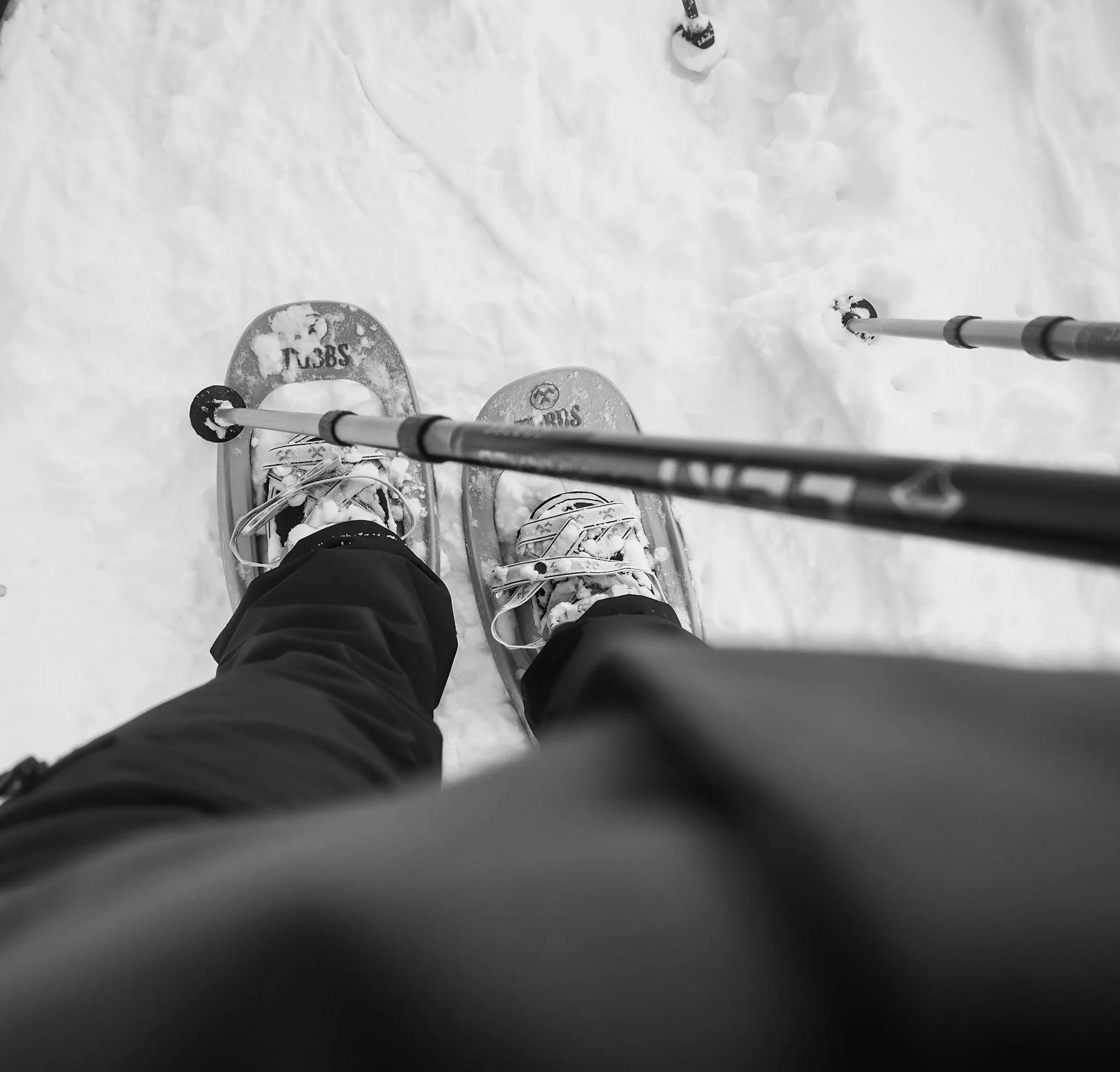
This is a serious mountain outing that demands respect and preparation. Winter conditions in the Alps can change rapidly, and what starts as a beautiful bluebird day can turn to whiteout conditions within hours. Essential gear includes proper snowshoes, trekking poles, avalanche safety equipment (beacon, shovel, probe), warm layers, and emergency supplies.
Most people complete the hike as a day trip from Zinal, though the journey can be broken up with a night at the Cabane du Petit Mountet if conditions and timing allow. The round trip typically takes between five and seven hours, depending on snow conditions and your pace.
Checking the avalanche bulletin before you go is absolutely essential, and we wisely recommend to hire a local mountain guide who knows the terrain and current conditions intimately.
The Experience
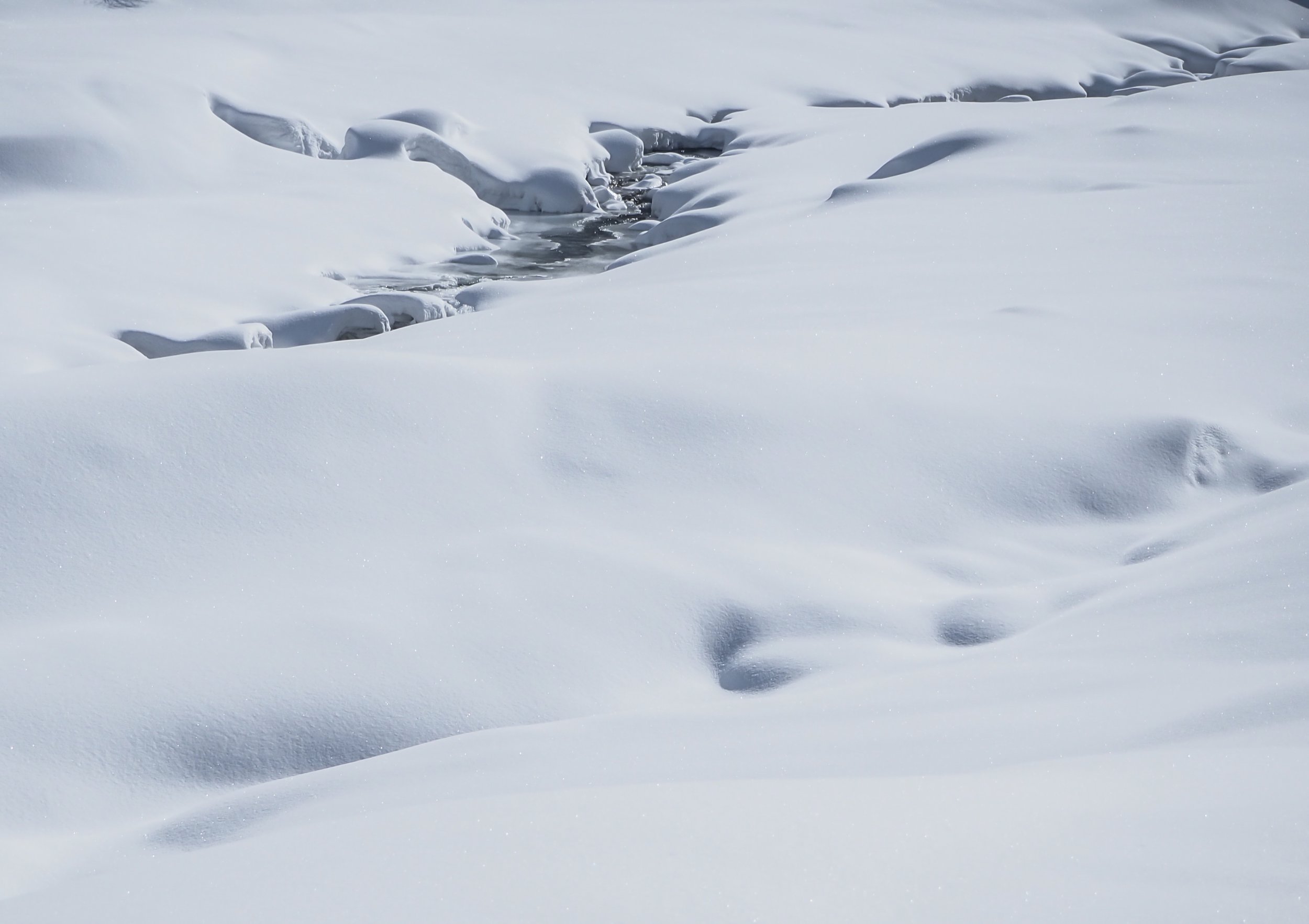
Standing before the Zinal Glacier on a crisp winter day, surrounded by silent peaks and endless snow, you understand why people are drawn to the mountains in winter. There’s a purity to the experience—just you, the snow, and the timeless landscape. The physical effort of the ascent makes the destination all the more rewarding, and the descent back to Zinal, with tired legs and a full heart, completes a perfect mountain day.
For those seeking an authentic alpine adventure that doesn’t require technical climbing skills, the snowshoe trek to the Zinal Glacier offers an ideal combination of accessibility and genuine mountain experience. It’s a reminder that some of the best adventures are those where the journey itself becomes the destination.
More Information here.